
Eichmann’s Rise and Exposure
The Disappearance of Josef MengeleThis flow follows Adolf Eichmann’s attempt to restore his public standing through denial, the failure of that project, and his capture and execution.
increasing Bearing strength in each event
 decreasing
Bearing strength in each eventdecreasingA Hidden Life
A Hidden Life
Concealment
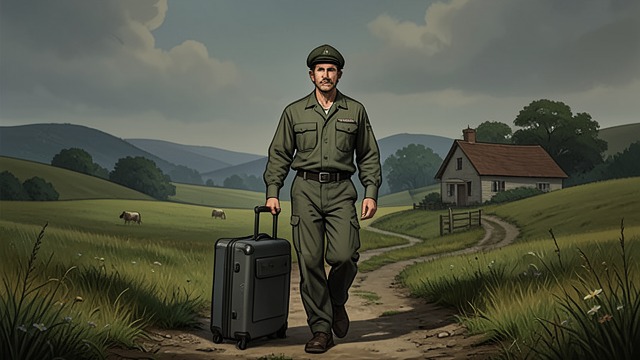
After the war, Adolf Eichmann lived under an assumed identity and worked in rural jobs before reaching Argentina. His anonymity contrasted with the notoriety he later sought.
Exile community
In Buenos Aires, he encountered former Nazi associates, including Josef Mengele. Their social circle could offer companionship, but his appetite for recognition threatened its secrecy.
The Sassen Tapes

The Sassen Tapes
A planned defense
Adolf Eichmann agreed to recorded interviews that he hoped would vindicate his record and help his family return to Europe. The project was framed as a rebuttal to accounts of mass murder.
An unintended confession
Instead, Adolf Eichmann described the extermination program and regretted that it had not gone further. The evidence disturbed even men who had previously denied the crimes.
A Warrant in Germany
A Warrant in Germany
Bauer’s inquiry
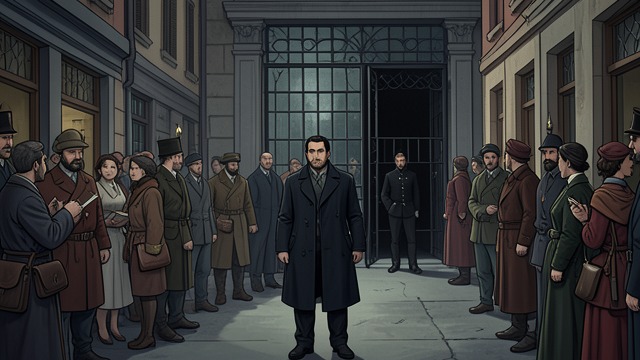
Bauer issued an arrest warrant for Adolf Eichmann, seeking accountability despite the distance and political obstacles. The legal case would eventually intersect with information from Argentina.
A precarious fugitive
Adolf Eichmann’s public behavior and recorded boasts increased the risk of identification. Josef Mengele viewed him as dangerous precisely because he wanted an audience.
The Kidnapping

The Kidnapping
A covert operation
Mossad agents abducted Adolf Eichmann in Buenos Aires and transported him to a secret location. His capture shocked Nazi exiles and exposed Argentina’s failure to protect its sovereignty.
A reluctant lead
Under interrogation, Adolf Eichmann gave information about Josef Mengele’s former address. The agents checked it, but Josef Mengele had already disappeared.
Trial and Execution

Trial and Execution
Public testimony
Adolf Eichmann’s Jerusalem trial turned his role in the Holocaust into an international public reckoning. Survivors’ testimony countered the evasions and boasts of the exile community.
Final punishment
Adolf Eichmann was executed in 1962. His fate intensified Josef Mengele’s fear and became a recurring focus of his writings and nightmares.
1945 to 1950
1957
November 1956
11 May 1960
1961 to June 1962
